Recycling and Sustainability for Rubbish Clearance Acton
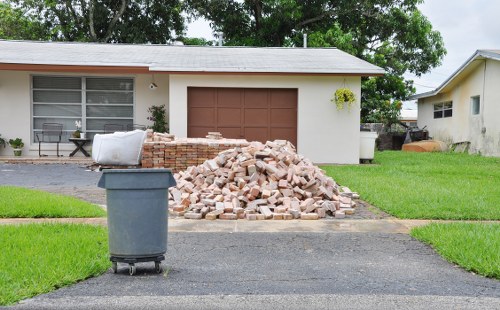 At Rubbish Clearance Acton, recycling is built into every stage of our waste removal work. We aim to keep as much material as possible out of landfill by sorting, separating, and sending items into the right recovery streams. Our practical target is to achieve a minimum recycling rate of 85% across suitable collections, with the long-term goal of improving that figure year by year through better segregation and smarter routing. For homes, flats, and commercial clearances across Acton and the wider west London area, this means a more responsible approach to disposal that supports local environmental goals.
Acton sits within a part of London where waste management relies on a careful mix of household separation, borough-led collection systems, and regional recovery facilities. Many boroughs encourage residents and businesses to sort dry mixed recycling, food waste, garden material, and residual rubbish at source, and our service is designed to complement that structure. We handle items with a strong focus on reuse first, recycling second, and disposal last. That includes materials such as cardboard, textiles, metals, wood, plastics, and small electrical items where recovery is possible.
We also place a strong emphasis on the local transfer station network, because efficient processing starts with the right destination. Waste collected in Acton is taken to approved transfer stations and sorting facilities where loads can be weighed, separated, and directed to the most appropriate recycling or recovery route. This helps reduce unnecessary mileage, improve traceability, and ensure that recyclable material does not get mixed into general waste streams.
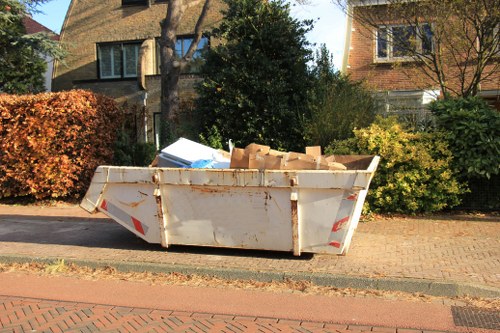 Recycling in Acton often reflects the broader borough approach to waste separation, where residents are encouraged to keep clear streams for paper, glass, metals, and food waste. We support that model by removing bulky items and mixed-clearance material in a way that preserves recoverable resources. For example, when clearing a flat or office, we try to keep frames, shelving, office furniture, and scrap metal separate from non-recyclable waste. This makes a meaningful difference because mixed loads are more difficult to process and can lower recycling performance.
Our team also prioritises reuse partnerships with charities. When we collect furniture, household goods, or office items that are still in usable condition, we look for opportunities to divert them to charitable organisations, social enterprises, and community reuse projects. Sofas, tables, chairs, wardrobes, kitchenware, books, and working appliances may all be suitable for a second life if they meet safety and quality standards. This approach helps reduce waste while supporting local causes and extending the lifespan of useful items.
One of the most effective ways to improve recycling outcomes is to assess items before they are loaded. We separate materials where possible, identify items that can be reused, and then send the remainder into the correct recycling or recovery channel. In a busy area like Acton, where clearances can involve everything from domestic clutter to commercial fit-outs, this careful sorting helps us respond to different waste types without losing sight of environmental responsibility. It also supports the borough-wide objective of increasing the proportion of waste that is recovered rather than discarded.
 Our rubbish clearance in Acton service is also designed around cleaner transport. We operate low-carbon vans that are selected for efficiency, lower emissions, and reliable urban performance. These vehicles are well suited to London roads, where stop-start traffic and frequent collections can quickly increase fuel use if a fleet is not carefully managed. By using lower-emission vans and planning routes effectively, we reduce the carbon impact associated with collection and haulage.
We also pay attention to load optimisation. Rather than making repeated journeys with half-full vehicles, we aim to consolidate collections and use capacity wisely. That means fewer trips to transfer stations and sorting depots, which lowers fuel consumption and supports a more sustainable operation. In practical terms, this is especially important for larger clearances, such as end-of-tenancy removals, office declutters, or multi-room household clear-outs, where the volume of waste can be substantial.
For items that cannot be reused, we still seek the best recycling route available. This can include metal recovery, wood recycling, electrical sorting, and the processing of packaging materials. In some cases, mixed construction waste from refurbishments can be separated into recoverable fractions before final disposal. Our goal is to keep the disposal hierarchy in mind at all times: reuse, recycle, recover, and only then dispose.
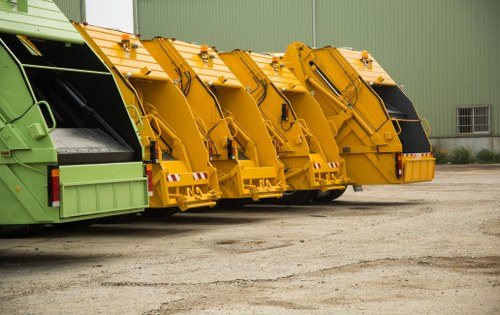 The sustainability side of Acton rubbish clearance is not only about what happens after collection; it is also about how we work on site. We encourage sensible preparation before loading, especially where there are obvious recyclable groups such as cardboard boxes, metal frames, or bagged textiles. While we do not ask customers to sort every item perfectly, a little separation can improve recycling rates and reduce contamination. That is particularly useful in boroughs where waste separation is already a familiar part of daily life.
We also recognise the role of specialist facilities in the recycling chain. Transfer stations and material recovery centres help turn mixed collections into manageable streams, and our service is structured to work alongside that infrastructure. Whether the collection involves garden waste, old furniture, office stationery, or broken household goods, we aim to match each material to the right endpoint. This is one reason why structured clearance services can be much more environmentally effective than unplanned disposal.
Rubbish Clearance Acton continues to improve its environmental performance by refining vehicle routes, strengthening charity reuse links, and working with approved recycling partners. We view sustainability as a practical responsibility rather than a slogan. By combining a high recycling target, local transfer station use, charitable redistribution, and lower-carbon vans, we help keep waste management in Acton aligned with modern environmental expectations. The result is a cleaner, more efficient service that supports both the community and the wider circular economy.
 In a busy London district, responsible clearance must be both efficient and environmentally aware. That is why our approach continues to focus on accurate sorting, sensible reuse, and reliable recycling pathways. From household clearances to commercial removals, our work is shaped by the idea that every load should be handled with the smallest possible environmental footprint. For customers and local organisations in Acton, that means a service that puts sustainability at the centre of rubbish removal.